Supply Chain Visibility Isn’t Just About Tracking Anymore
Key takeaways
- Postmaster General David Steiner told a Senate committee that USPS will deploy Bluetooth Low Energy beacons and bidirectional cameras to track containers through its facilities in real time.
- Visibility is shifting from passive dashboards to platforms that detect a problem, assess impact and act; Project44 has rebranded its platform around decision intelligence.
- Three enablers: cheap IoT sensors and connectivity, cloud integration layers across TMS, WMS and OMS, and AI that has moved from prediction to prescription.
- Supply chains break at handoffs; map every handoff, identify the data needed and define what should happen automatically when it goes wrong.
- Companies with strong real-time visibility respond two to three times faster to disruptions than those relying on manual tracking.
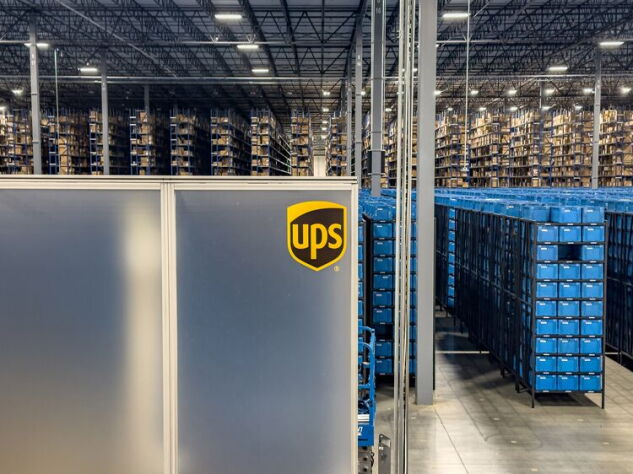
The U.S. Postal Service just admitted something uncomfortable: it can’t reliably tell you where your package is. During a Senate committee hearing last week, Postmaster General David Steiner described a system where wedding invitations arrive after the wedding and bills show up past their due date. His fix? Deploying Bluetooth Low Energy beacons and bidirectional cameras to track containers through USPS facilities in real time.
“This is not rocket science technology,” Steiner told the Senate Committee on Homeland Security. “This is not technology that doesn’t exist. This is technology that exists that other companies use.”
He’s right. And that gap between what’s possible and what most organizations actually do with visibility technology tells a bigger story. The supply chain visibility market has matured past the point of simply answering “where is my shipment?” The real question in 2026 is what happens next, and the best platforms are starting to answer that on their own.
Visibility Used to Be a Dashboard. Now It’s an Operating System.
For years, supply chain visibility meant tracking numbers and status pages. You’d punch in an order ID, see “in transit,” and hope for the best. If something went wrong, you found out when a customer called to complain.
That model broke under the weight of modern supply chains. Companies now manage thousands of SKUs across dozens of carriers, multiple modes of transport, and warehouse networks spanning continents. A single shipment from a factory in Shenzhen to a retail store in Dallas might touch five carriers, two ports, three warehouses, and a last-mile delivery provider. Knowing the shipment left the port isn’t enough when the container is sitting on a chassis at the rail yard 200 miles from its destination.
The global supply chain management software market is projected to hit roughly $184 billion by the end of 2026, according to industry estimates. A significant chunk of that growth is coming from visibility platforms that have evolved well beyond basic tracking. Gartner’s latest supply chain technology trends report, published just last week, identified what it calls “physical AI” (the combination of sensors, IoT, and AI-driven decision-making) as one of the top technology priorities for supply chain leaders this year.
From Tracking to Triggering
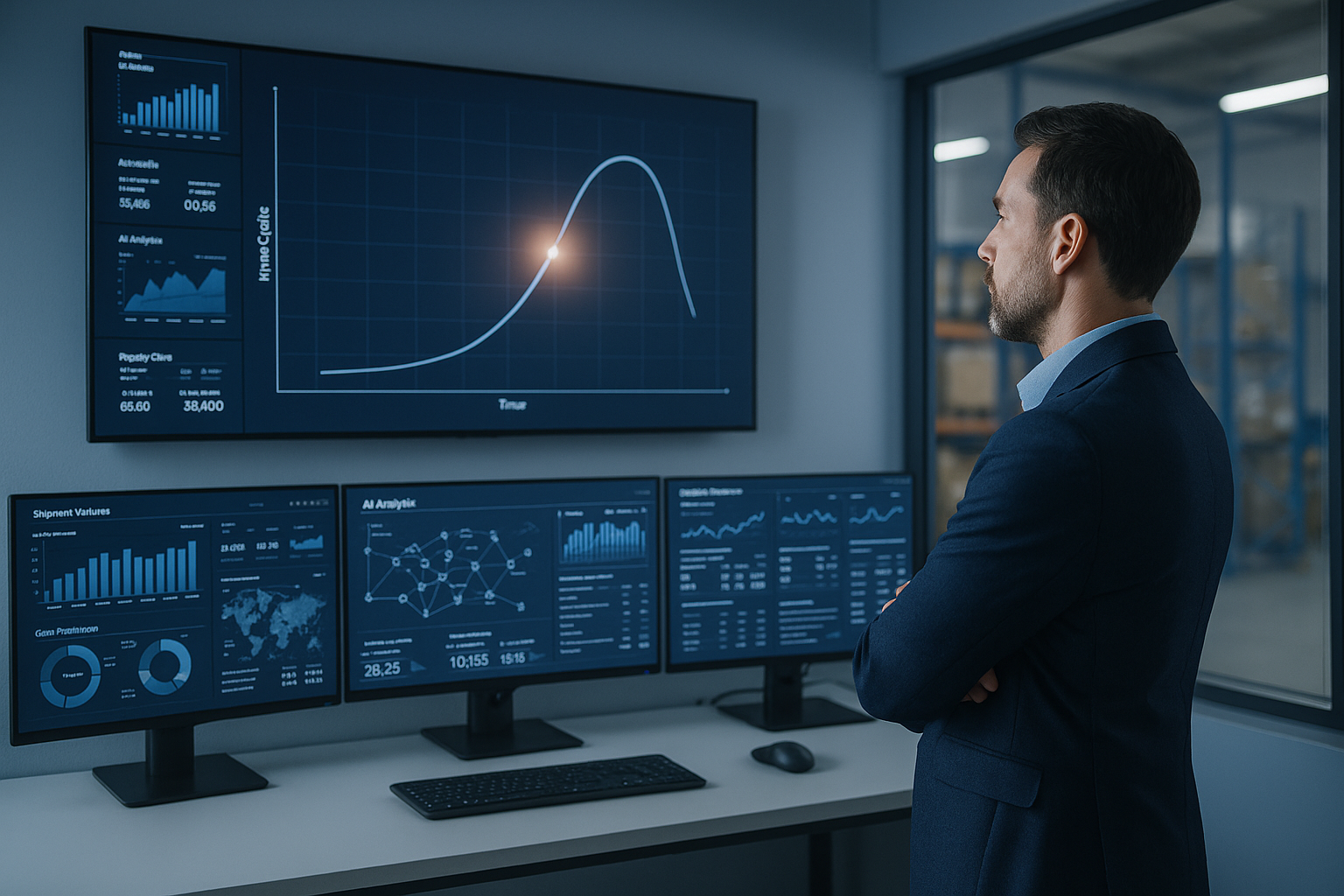
The shift happening right now is from passive visibility to active execution. Instead of a dashboard that shows you a red dot on a map, the new generation of platforms detects the problem, assesses the impact, and either recommends or automatically takes corrective action.
Consider what this looks like in practice. A temperature-controlled pharmaceutical shipment is moving from a distribution center in Memphis to a hospital system in Chicago. Traditional visibility tells the shipper the truck left Memphis at 6 a.m. and should arrive by 2 p.m. Modern visibility, by contrast, monitors the trailer’s internal temperature every 30 seconds via IoT sensors, cross-references the route against weather data and traffic patterns, and calculates a dynamic ETA that updates continuously.
If the temperature rises above the acceptable threshold, the system doesn’t just flag it on a dashboard. It alerts the driver, notifies the receiving dock, checks whether a backup shipment can be rerouted from a closer warehouse, and updates the customer’s order management system. All within minutes, often before any human even knows there’s a problem.
Project44, a visibility platform that Gartner has named a Magic Quadrant Leader for five consecutive years, rebranded its core offering as a “Decision Intelligence” platform in 2025. The naming is intentional. The company processes over 1.5 billion shipments annually for brands in CPG, automotive, retail, and manufacturing, and it’s positioning the platform not as a tracking tool but as an operational brain that ingests visibility data and outputs decisions.
They’re not alone. FourKites, Overhaul, and Tive are all pushing in the same direction, layering predictive analytics and automated workflows on top of raw location data.
What’s Actually Making This Possible
Three technology trends converged to make this shift work:
IoT sensors got cheap and connectivity got better. Five years ago, putting a cellular-enabled sensor on every pallet was cost-prohibitive for most shippers. Today, smart labels from companies like Sensos cost a fraction of what they used to, require minimal infrastructure, and track shipments across all modes of transport (ocean, air, rail, and road). The falling cost of sensors means companies can move from tracking containers to tracking individual cases or even items.
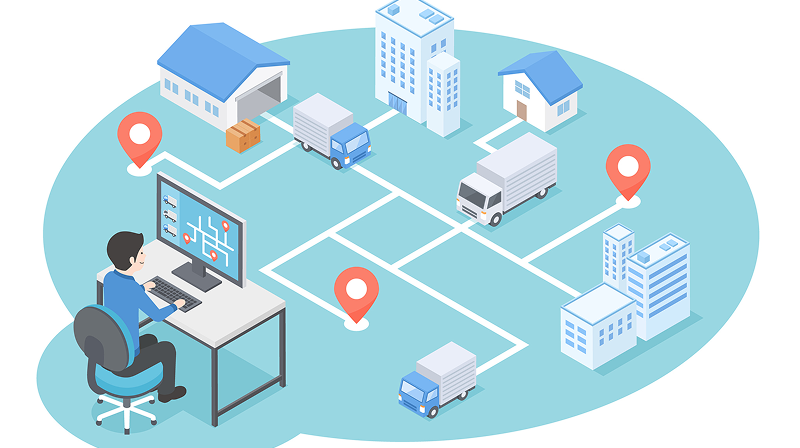
Cloud integration layers matured. The dirty secret of supply chain visibility has always been data fragmentation. Your TMS knows about transportation. Your WMS knows about warehouse inventory. Your OMS knows about customer orders. But nothing talked to anything else. Modern visibility platforms sit on top of these systems, pulling data via APIs and normalizing it into a single view. This isn’t glamorous work, but it’s what makes the “decision intelligence” layer possible. You can’t make smart decisions with partial data.
AI moved from prediction to prescription. Early AI applications in supply chain were predictive: here’s when your shipment will probably arrive, here’s the likelihood of a delay. Useful, but still reactive. The newer applications are prescriptive: given this delay, here’s what you should do about it, and here are three options ranked by cost, speed, and risk. Some platforms are starting to execute those decisions automatically for low-risk scenarios, with human approval required only for high-stakes exceptions.
The USPS Problem Is Everyone’s Problem
What makes the USPS story relevant beyond government logistics is that their visibility gap mirrors what most companies face, just at a different scale. Steiner pointed out that the Postal Service struggles with visibility at handoff points, specifically when third parties handle package pickups or when customers drop packages at a post office themselves. Once the Postal Service’s own infrastructure takes over, tracking works reasonably well.
This is the universal challenge. Supply chains break at handoffs. The shipment leaves your warehouse with full visibility, then enters a carrier’s network where tracking is spotty, then arrives at a cross-dock facility where it sits unscanned for hours, then gets loaded onto a last-mile vehicle with a different tracking system entirely. Each handoff is a visibility black hole.
The USPS is attacking this with Bluetooth beacons embedded in test packages to identify bottlenecks, bidirectional cameras to track container movements within facilities, and reinforced scan compliance through employee training. These are fundamentally the same tools that private sector companies are deploying, just applied to a government agency that processes 127 billion pieces of mail annually.
What This Means for Supply Chain Leaders
If you’re running a supply chain operation and your visibility technology still consists of tracking numbers and periodic status updates, you’re not just behind the technology curve. You’re leaving money on the table.
Companies with strong real-time visibility respond 2 to 3 times faster to disruptions than those relying on manual tracking and phone calls. That speed translates directly to lower detention and demurrage charges, fewer expedited shipments, better inventory positioning, and higher customer satisfaction scores.
But the technology alone isn’t enough. The organizations getting the most value from visibility platforms are the ones that have done the unsexy integration work first: connecting their TMS to their WMS to their OMS, establishing clean data pipelines, and defining the business rules that tell the system what actions to take when exceptions occur.
Start with the handoffs. Map every point in your supply chain where a shipment moves from one system, carrier, or facility to another. Those are your visibility gaps. Then work backward from there: what data do you need at each handoff, what system provides it, and what should happen automatically when something goes wrong?
The goal isn’t to build the perfect dashboard. It’s to build a system that makes the dashboard unnecessary for 90% of your shipments, because the platform is handling exceptions before anyone needs to look at them.
Conclusion
Supply chain visibility has quietly undergone a transformation from a reporting function to an operational one. The USPS investing in Bluetooth beacons and cameras, Project44 rebranding as a Decision Intelligence platform, Gartner highlighting physical AI as a top trend: these are all signals pointing in the same direction. The next generation of visibility technology doesn’t just tell you what happened. It tells you what to do about it, and increasingly, does it for you.
The companies that treat visibility as a strategic capability (not just a compliance checkbox or a customer service tool) will have a measurable advantage in speed, cost, and resilience. And the ones still refreshing a tracking page and hoping for the best? They’ll keep finding out about problems the old-fashioned way: when the customer calls.
A visibility vendor on what comes after tracking
For a longer version of the argument, this FreightWaves session with project44, recorded in August 2025, looks at how AI is being used to turn visibility data into decisions as economic volatility reshapes supply chains. project44 sells exactly this kind of platform, so treat it as the vendor’s framing.
Thirty-seven minutes is a commitment. The useful test while watching is the one the article ends on: does the platform only tell you what happened, or does it trigger the next action? Any vendor can show a map; ask them to show the exception workflow.